Leaderboard



Popular Content
Showing content with the highest reputation on 06/07/26 in Posts
-
2 points
-
That’s because…. Uh…. No reason.1 point
-
I really don't like chili that much but I love the chili from Wendy's.1 point
-
chocolate chip cookie dough ice cream shouldn't also have chocolate chips in it. the chips should be confined to the cookie dough balls and not also in the ice cream, chocolate chips for ice cream have a very specific texture and i dont want that on top of the dough pieces. also, the he-man themed meals at dennys, the mint chocolate chip ice cream on top of pancakes. if mint chocolate chip ice cream even looks at my pancakes there's gonna be a fight.1 point
-
Whoppa with cheese & med. fry (lunch) Currently - a black cow (root beer float).1 point
-
Beef fillet, garlic bread and a lettuce, tomato, and mozzarella salad with low fat Italian dressing.1 point
-
About to start some spaghetti, I guess.1 point
-
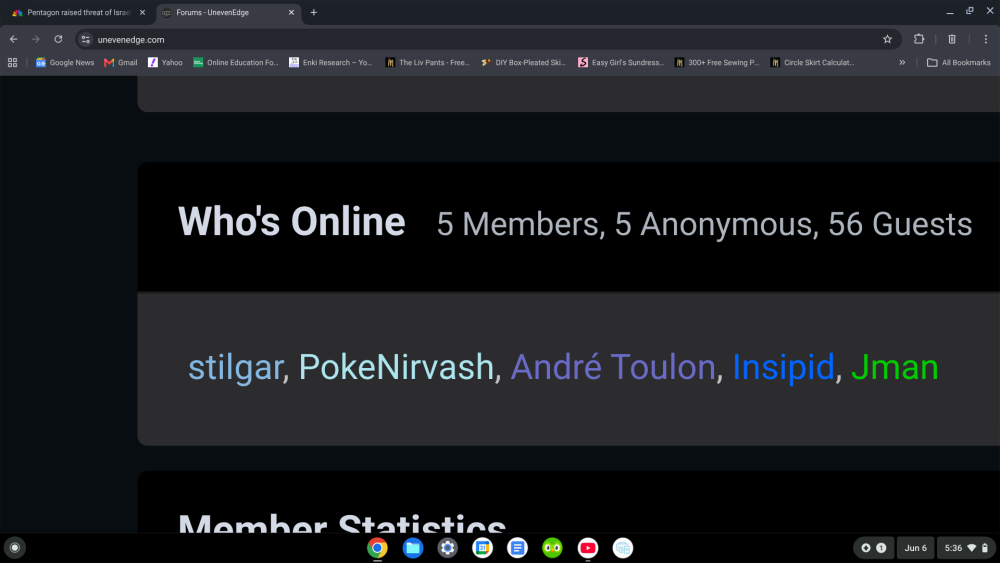
shades of blues..... and then there's that guy.
 1 point
 -
Pat and Katt, I advocate for BoS for insipid if he posts sponges' asshole.1 point
-
1 point
-
1 point
-
My sister tagged me in a FB reel about some website where you can emulate games for free. Being the idiot that I am, I decided to give it a whirl. I just spent the last two hours or so trying to get rid of malicious pop-ups because my stupid ass knows virtually nothing about malware. Is this what getting old means? Because I actually kind of hate myself right this minute.1 point
-
Dance music is the single most irritating noise in the world and I don’t really care who I offend with this opinion.1 point
-
I don't feel bad one bit about calling off work today in fact I feel relieved.1 point
-
1 point
-
1 point
-
Oh wow they're gonna animate THAT scene huh.1 point
-
Yeah, I don't fully remember it and haven't rewatched in some time so I think I do too, but I remember that overall I felt Arise was decent, which isn't bad given the high bar for GITS content. I remember I really enjoyed the "forming the team" prequel aspect of it. It's hard to put my finger on it and even harder to describe why, but I remember feeling like somehow the development of the mysteries just lacked something even though they technically connected. I did also watch it the first time as the OVAs released though too, so there were gaps between getting to watch each one. I also remember that I quite liked the "New Movie" finale of it.1 point
-
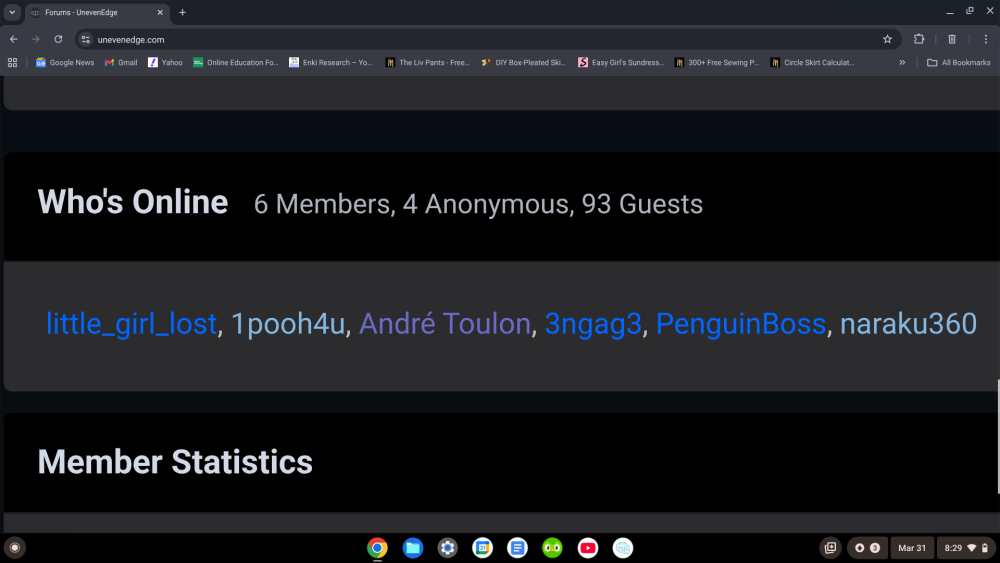
i'm so BLUEEEEEE except for buddy.
 1 point
 -
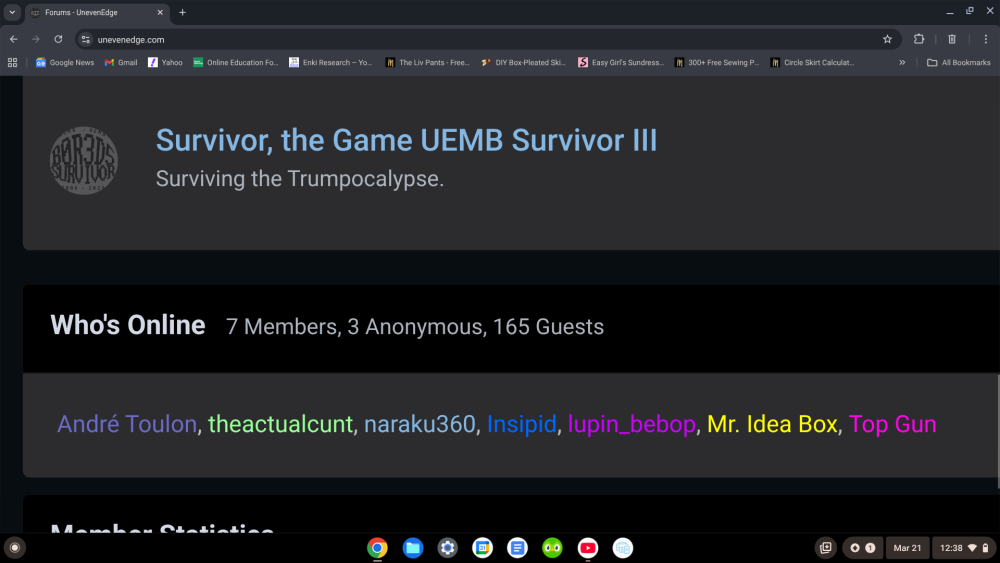
looks like peeps took a shite.
 1 point
 -
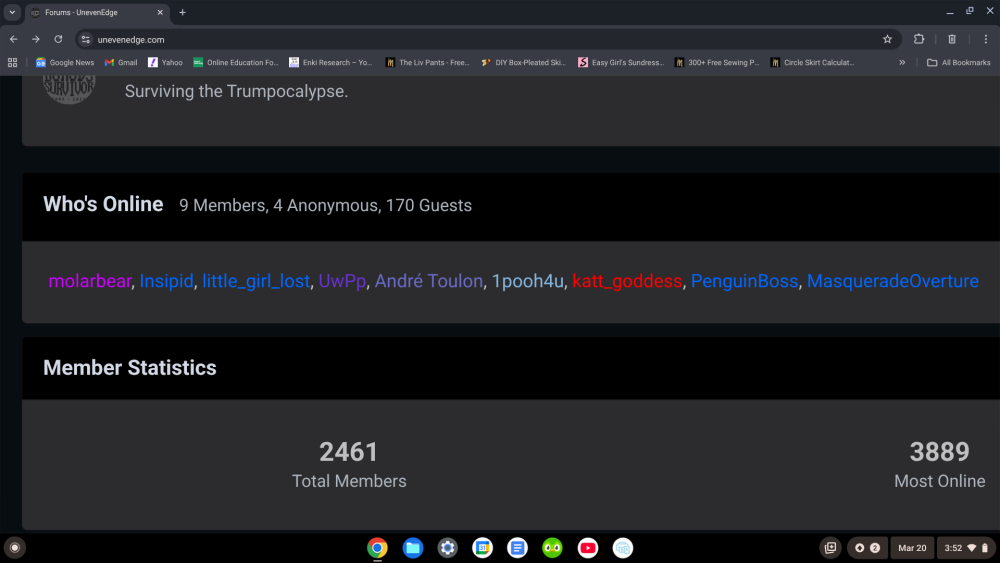
cicada warrior and weird mod mess it up.
 1 point
 -
shut up scoob.1 point
-
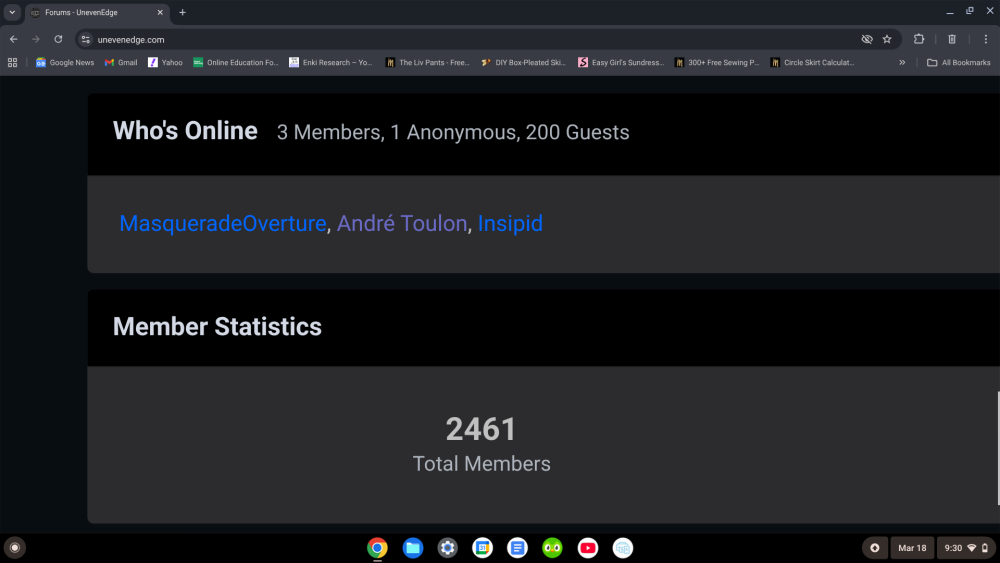
so blue
 1 point













This leaderboard is set to New York/GMT-04:00